 Commentary by Helen Kourlas, PharmD
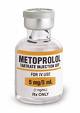
Beta-adrenergic receptor antagonists, commonly known as beta-blockers (B-blockers) have been used for decades to treat hypertension, ischemic heart disease and some arrhythmias – and more recently to treat …

Commentary by Helen Kourlas, PharmD
Beta-adrenergic receptor antagonists, commonly known as beta-blockers (B-blockers) have been used for decades to treat hypertension, ischemic heart disease and some arrhythmias – and more recently to treat …
Commentary By Susan Morey PharmD, Pharmacy Practice Resident
Approximately 3% of patients who use sulfonamide antibiotics develop an allergic reaction, with the most common being the development of a maculopapular rash. (1, 2, 3) Sulfonamides are chemical compounds which contain a SO2NH2 moiety and can be divided into 3 …
 –Commentary by Susan Morey, PharmD. Pharmacy Practice Resident
A true allergy to penicillin is known to occur in less than 10% of patients exposed to penicillin. 1, 2 The cross-reactivity to cephalosporins has been reported to …

Welcome to our first blog commentary. One of the purposes of the blog is to generate discussion about issues in health care. This “Clinical Commentary” section is an invitation to our housestaff and faculty to submit their own thoughts and …

Commentary by Seagram Villagomez MD, Chief Resident
Since its approval in 1999, nearly 1 million Americans have used the thiazolidinedione (TZD) rosiglitazone (Avandia – GlaxoSmithKline) for the treatment of Type 2 Diabetes. Â However, in a drug class which …
 We’d like to introduce you to Clinical Correlations’ newest feature-Clinical Pharmacy Corner. This will be a bimonthly pharmacy themed post which will tackle both basic and complicated pharmacy issues. We will review the mechanisms of actions of various classes of medications, a worthwhile refresher for those of us …
 Welcome to our first theme issue of ShortCuts. This week, we decided to focus on the tribulations of the pharmaceutical industry, which recently seems to be plagued by new FDA advisories and NY Times exposés.
The first bad news for pharmaceutical companies …
 By: Melissa Freeman, MD, PGY1
For over a decade now, statins, or 3-hydroxy-3-methylglutaryl coenzyme A reductase inhibitors, have facilitated millions of patients in the management of their atherosclerosis. Statins are known for their ability to reduce hepatic lipoproteins, up-regulate …