 Commentary by David Hatcher, MSIII (reviewed by Neil Shapiro, MD Editor-In-Chief, Clinical Correlations)
C.M. is a 68 year-old retired Caucasian male with a past medical history significant for coronary artery disease, hyperlipidemia, …

Commentary by David Hatcher, MSIII (reviewed by Neil Shapiro, MD Editor-In-Chief, Clinical Correlations)
C.M. is a 68 year-old retired Caucasian male with a past medical history significant for coronary artery disease, hyperlipidemia, …
 Future Medicine is a new section of Clinical Correlations devoted to hot areas of research and development in various fields of medicine. In tihis series, we will highlight treatments in their infancy, from basic research opening …
 Class act is a feature of Clinical Correlations written by NYU 3rd and 4th year medical students. These posts focus on evidenced based answers to clinical questions related to patients seen by our …
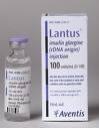 Is there evidence to support the use of Lantus® (human insulin analog glargine) administered Q12h in Type 1 Diabetes?
Commentary by Kathy Lee, Pharmacy ResidentÂ
The goal of diabetes management is to reduce …
 Commentary by Robert Leonard PharmD, Pharmacy Resident New York Harbor Healthcare System
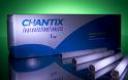
On November 20, 2007 the FDA announced mounting evidence linking varenicline (Chantix®) therapy for smoking cessation with suicidal ideation and erratic and …
 Commentary by Helen Kourlas PharmD, Pharmacology Section Editor
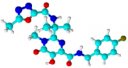
On October 16th the FDA announced the approval of raltegravir (Isentress®) for the treatment of Human Immunodeficiency Virus (HIV)-1 infection in combination with other antiretroviral agents. …
 Commentary by Kathy Lee, Pharm.D. Pharmacy Practice Resident
On October 18 2007, the FDA announced the approval of labeling changes to erectile dysfunction (ED) drugs in the class known as phosphodiesterase type 5 (PDE-5) …
Commentary by Helen Kourlas, PharmD and John Papadopoulas, PharmD, Pharmacology Section Editors
The sulfonylureas are members of a class of substituted arylsulfonylureas that have been used clinically since the 1950s. These agents are usually divided into two categories or generations. First generation agents include acetohexamide, chlorpropamide, tolazamide, and tolbutamide (the …