 Case by: Alana Choy-Shan, Chief Resident
Commentary by William Slater MD, Associate Professor of Medicine, Division of Cardiology
Following Thanksgiving dinner, a 36 year-old healthy man developed palpitations and heart racing. He was evaluated …

Case by: Alana Choy-Shan, Chief Resident
Commentary by William Slater MD, Associate Professor of Medicine, Division of Cardiology
Following Thanksgiving dinner, a 36 year-old healthy man developed palpitations and heart racing. He was evaluated …
 Welcome to our new Grand Rounds Series. Each week, we plan to post a summary of the week’s Medicine Grand Rounds lecture. The summaries are reviewed and approved by the grand rounds …
Commentary by Jamie Hoffman, MDÂ
A healthy 54 year old man without past medical history presents for a routine physical exam for his insurance company. His blood work reveals a total protein (TP) of 9.4 g/dl and an albumin of 3.0 g/dl. What should be included in this patient’s diagnostic workup?
 Commentary by Josh Remick MD, PGY-3
Hypertriglyceridemia is defined by the NCEP guidelines for treatment as a fasting triglyceride level greater than 200 mg/dL after the target LDL-C level has been achieved (1). When triglyceride …
 Commentary by Mary Vouyiouklis MD, Fellow, and Ann Danoff MD, Director, Division of Endocrinology, Diabetes and Metabolism, NYU Medical Center
Welcome to Case 5 of our special diabetes series intended to highlight the essentials …
 Commentary by Kathy Lee, Pharm.D. Pharmacy Practice Resident
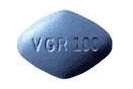
On October 18 2007, the FDA announced the approval of labeling changes to erectile dysfunction (ED) drugs in the class known as phosphodiesterase type 5 (PDE-5) …
 Class act is a feature of Clinical Correlations written by NYU 3rd and 4th year medical students. These posts focus on evidenced based answers to clinical questions related to patients seen by …
Commentary by Helen Kourlas, PharmD and John Papadopoulas, PharmD, Pharmacology Section Editors
The sulfonylureas are members of a class of substituted arylsulfonylureas that have been used clinically since the 1950s. These agents are usually divided into two categories or generations. First generation agents include acetohexamide, chlorpropamide, tolazamide, and tolbutamide (the …