Clinical Questions

Should Patients With Nephrotic Syndrome Receive Anticoagulation?

May 9, 2012
Should Patients With Nephrotic Syndrome Receive Anticoagulation?

By Jennifer Mulliken

Faculty Peer Reviewed

Case 1:

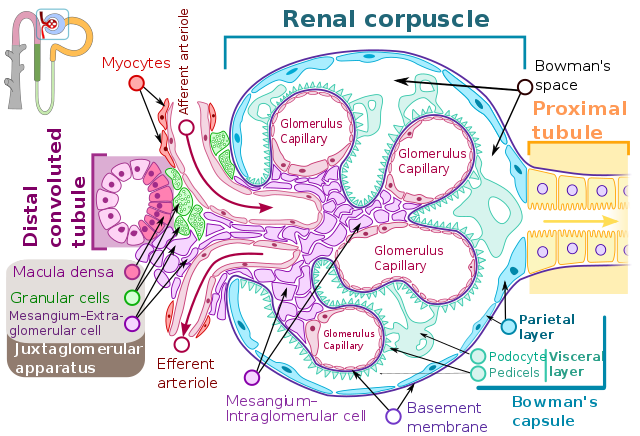
A 30-year-old African-American male with a history of bilateral pulmonary emboli presents with a 1-week history of bilateral lower extremity edema. Blood pressure is 138/83, cholesterol 385, LDL 250, albumin 2.9. Urinalysis shows 3+ protein. Twenty-four hour urinary protein is 7.2 grams.

Case 2:

A 47-year-old Hispanic male with a history of mild hypertension and venous insufficiency presents with a 3-month history of bilateral lower extremity edema. BP is 146/95, cholesterol 241, LDL 165, albumin 1.9.…

Read more »

From The Archives: How Does Alcohol Cause Cardiomyopathy?

April 19, 2012
From The Archives: How Does Alcohol Cause Cardiomyopathy?

Please enjoy this post from the archives dated November 4, 2009

Charles Levine

Faculty peer reviewed

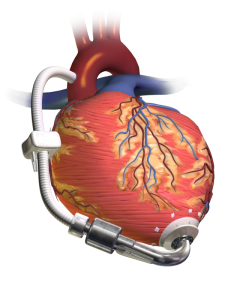
Excessive consumption of ethanol (EtOH) has many deleterious effects on the human body. The heart is a target of damage from EtOH consumption, as chronic consumption of EtOH leads to decreased cardiac function and structural heart disease, including dilated cardiomyopathy.(1) The exact mechanism by which EtOH exerts its deleterious effects on the heart remains poorly understood and is an area of active…

Read more »

RTS,S/AS01: Is This The Beginning Of The End Of Malaria?

April 12, 2012
RTS,S/AS01: Is This The Beginning Of The End Of Malaria?

By Nicole Sunseri

Faculty Peer Reviewed

In Africa, there lurks a stealthy and powerful beast. Is it a lion, a black mamba, or a crocodile? No, it is the Anopheles mosquito. Although less than the size of a paperclip, these insects inflict an incapacitating blow, inoculating their larger human prey with Plasmodium spp., the parasites responsible for malaria. According to the World Health Organization, the worldwide incidence of malaria infection in 2009 was 225 million cases with a death toll of 781,000 Most of these…

Read more »

Use it or Lose it- Do cognitive leisure activities protect against the development of Alzheimer’s?

March 30, 2012
Use it or Lose it- Do cognitive leisure activities protect against the development of Alzheimer’s?

By Courtney Cunningham, MD

Faculty Peer Reviewed

As the world population ages, enormous resources will be required to adequately care for persons suffering from Alzheimer’s disease. The disease is the fifth leading cause of death for adults aged 65 years and older, and is estimated to affect 1 in 8 persons in this age group. Despite recent advances, the cause of Alzheimer’s disease is not well understood. The FDA-approved medications in common use—donepezil (Aricept), galantamine (Razadyne), rivastigmine (Exelon), and memantine (Namenda)–help to manage symptoms; however…

Read more »

Should Physicians Offer The HPV Vaccine To Men And Boys?

March 23, 2012
Should Physicians Offer The HPV Vaccine To Men And Boys?

By Kevin Burns

Faculty Peer Reviewed

On December 22, 2010, the US Food and Drug Administration (FDA) approved the quadrivalent human papillomavirus (HPV) vaccine (Gardasil; Merck, Whitehouse Station, New Jersey) for prevention of anal cancer and anal intraepithelial neoplasia (AIN) for males and females 9 to 26 years old. HPV is the most common sexually transmitted infection in the United States and the high-risk subtypes 16 and 18 are linked to development of cervical, vaginal, vulvar, anal, penile, and oropharyngeal malignancies. The FDA-approved uses for…

Read more »

From The Archives: How to interpret troponins in renal disease?

March 15, 2012
From The Archives: How to interpret troponins in renal disease?

Please enjoy this post from the archives first posted on October 21, 2009.

By Ivan Saraiva MD

Case: A 68-year-old man, with a history of stable angina and end-stage renal disease treated by hemodialysis for the past three years, presents to the hospital with leg swelling and shortness of breath. He also complains of intermittent chest pain unrelated to exertion. Physical exam reveals bilateral pitting lower extremity edema, pulmonary crackles, and an elevated jugular venous pressure. Initial electrocardiogram is notable for some nonspecific repolarization abnormalities.…

Read more »

Does the BCG Vaccine Really Work?

March 14, 2012
Does the BCG Vaccine Really Work?

By Mitchell Kim

Faculty Peer Reviewed

Mycobacterium tuberculosis, an acid-fast bacillus, is the causative agent of tuberculosis (TB), an infection that causes significant morbidity and mortality worldwide. A highly contagious infection, TB is spread by aerosolized pulmonary droplet nuclei containing the infective organism. Most infections manifest as pulmonary disease, but TB is also known to cause meningitis, vertebral osteomyelitis, and other systemic diseases through hematogenous dissemination. In 2009, there were an estimated 9.4 million incident and 14 million prevalent cases of TB worldwide, with a…

Read more »

Is There a Long-Term Mortality Benefit From Bariatric Surgery?

March 8, 2012
Is There a Long-Term Mortality Benefit From Bariatric Surgery?

By Marc O’Donnell

Faculty Peer Reviewed

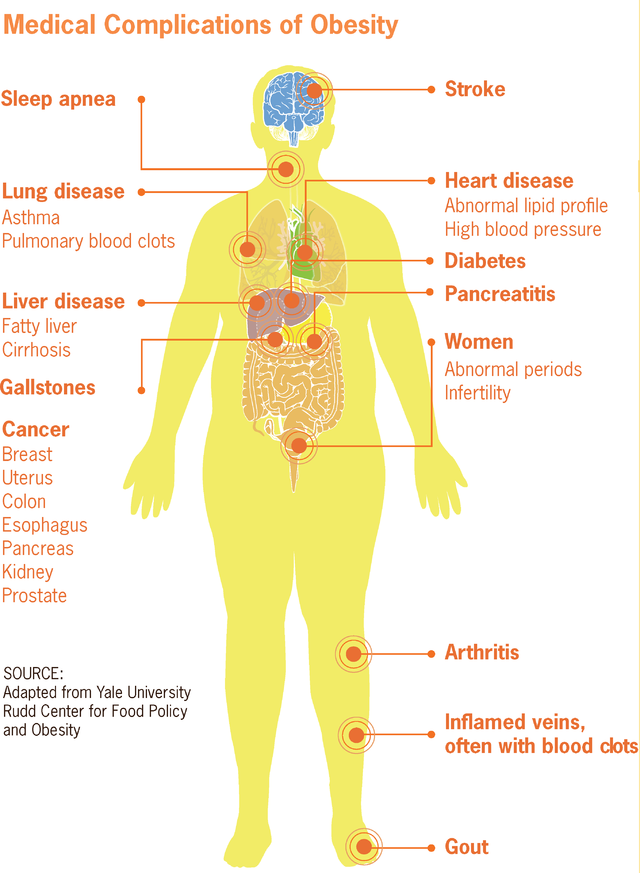
Obesity is defined as a body mass index (BMI) of ?30 kg/m2. The rate of obesity in the United States has skyrocketed over the last several decades, becoming a disease of epidemic proportions. According to the Centers for Disease Control and Prevention, in 2009, 32 states had a prevalence of obesity of ?25%, while 9 of these states had a prevalence of ?30%. It has been estimated that the economic costs of treating obesity and its complications, including type…

Read more »

What are the Barriers to Using Low Dose CT to Screen for Lung Cancer?

February 23, 2012
What are the Barriers to Using Low Dose CT to Screen for Lung Cancer?

By Benjamin Lok

Faculty Peer Reviewed

Lung cancer is the most common cause of cancer deaths globally and responsible for an estimated 221,120 new cases and 156,940 deaths in 2011 in the United States. Presently, the United States Preventive Services Task Force, the National Cancer Institute (NCI), the American College of Chest Physicians, and most other evidence-based organizations do not recommend screening for lung cancer with chest x-ray or low-dose helical computed tomography (CT) due to inadequate evidence to support mortality reduction. This…

Read more »

How Should You Choose the Best Anti-platelet Agents for Secondary Stroke Prevention?

February 16, 2012
How Should You Choose the Best Anti-platelet Agents for Secondary Stroke Prevention?

By Demetrios Tzimas, MD

Faculty Peer Reviewed

You are about to discharge a 75-year-old female with hyperlipidemia, hypertension, peripheral vascular disease, who was admitted to the hospital for an ischemic stroke. Being an astute physician, you would like to mitigate this patient’s risk of having a second stroke. But you ask yourself, “with all of the agents available today, what anti-platelet agents should I put this patient on to decrease her risk for a second stroke?”

The etiology of an ischemic stroke, as defined by…

Read more »

What is An Accountable Care Organization (ACO)?

January 25, 2012
What is An Accountable Care Organization (ACO)?

By Karen Kan, MD

Faculty Peer Reviewed

Last March, the Department of Health and Human Services released a set of proposed regulations that would govern Accountable Care Organizations (ACOs), bringing ACOs back to the forefront of health policy news and re-opening the debate about healthcare reform . More recently, at the beginning of November, the Centers for Medicare and Medicaid Services (CMS) issued a final set of regulations that will govern these organizations . As we will likely hear increasingly more about ACOs in the…

Read more »

From The Archives: Why is Syphilis Still Sensitive to Penicillin?

January 13, 2012
From The Archives: Why is Syphilis Still Sensitive to Penicillin?

Please enjoy this post from the Archives, first published on July 30, 2009

By Sam Rougas MD

Faculty Peer Reviewed

It seems that every week a new article in a major newspaper is reporting what most infectious disease physicians have been preaching for several years. Antibiotic resistance is rapidly spreading. Infections such as Methicillin Resistant Staphylococcal Aureus, Extremely Drug Resistant Tuberculosis, and Vancomycin Resistant Enterococcus have journeyed from the intensive care units to the locker rooms of the National Football League. That being said, some…

Read more »