Systems

Bariatric Surgery: A Cure for Diabetes?

October 20, 2011
Bariatric Surgery: A Cure for Diabetes?

By Amy Dinitz

 Faculty Peer Reviewed

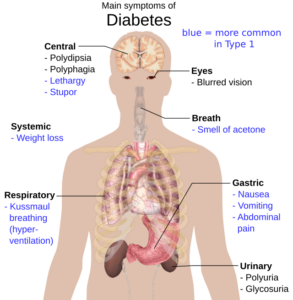
 The lifetime risk of developing diabetes for persons born in 2000 is around 35% and the NHANES database has suggested a greater than fourfold increase in prevalence over the last three generations.  While bariatric surgery has become the most effective treatment for obesity, it has also been found to be an extremely effective treatment for type 2 diabetes.  It was initially thought that the weight loss experienced by patients after bariatric surgery was responsible for improved glycemic control.  However,…

Read more »

Cholera in Haiti

October 7, 2011
Cholera in Haiti

By Matt Johnson, MD

Faculty Peer Reviewed

In the fall of 2010, after Haiti was razed by a magnitude 7.2 earthquake that left over 316,000 people dead, cholera was injected into the tumult to add to the growing list of Haiti’s struggles . Cholera is an ancient scourge whose origins are believed to come from the Ganges River delta of India . It affects up to 5 million people worldwide, with over 100,000 deaths per year . The cholera outbreak in Haiti was unexpected in…

Read more »

Stemming the Tide: The Promise and Pitfalls of HIV Prevention Research

September 28, 2011
Stemming the Tide: The Promise and Pitfalls of HIV Prevention Research

By Benjamin Bearnot

Faculty Peer Reviewed 

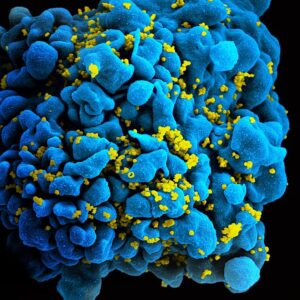
Since the discovery of zidovudine (AZT) in the mid-1980s, advances in antiretroviral (ARV) therapy for patients with chronic human immunodeficiency virus (HIV) infection have, until recently, outpaced concomitant improvements in methods for HIV prevention. Over the past few years, HIV prevention research has been building an impressive head of steam. While a completely effective vaccine for HIV prevention has continued to prove elusive, results of a modestly successful (~30% protective) vaccine trial based in Thailand were announced in 2009,…

Read more »

Avastin and the Meaning of Evidence

September 9, 2011
Avastin and the Meaning of Evidence

By Antonella Surbone MD PhD and Jerome Lowenstein MD

The recent hearings at the Food and Drug Administration regarding the revocation of approval for the use of Avastin in the treatment of breast cancer bring into sharp focus several very important issues in medicine today.

The pharmaceutical industry, armed with powerful new tools for deciphering the signaling mechanisms and mutations responsible for the development and progression of malignancies, has developed new therapies for treating cancer and other malignancies. The cost of development of each new…

Read more »

Subclinical Hypothyroidism: To Screen or Not to Screen?

August 17, 2011
Subclinical Hypothyroidism: To Screen or Not to Screen?

By Addie Peretz, MD

Faculty Peer Reviewed

Despite the ease of screening for hypothyroidism with hormone assays and the availability of thyroxine replacement therapy, no recommendations regarding routine screening for hypothyroidism in adults are universally accepted. The American Academy of Family Physicians and the American Association of Clinical Endocrinologists recommend periodic assessment of thyroid function in older women.  The American Thyroid Association advocates for more frequent earlier screening, recommending measurement of thyroid stimulating hormone (TSH) beginning at age 35 and every 5 years…

Read more »

ANCA and Small-Vessel Vasculitis

July 7, 2011
ANCA and Small-Vessel Vasculitis

By Eugene Friedman, Class of 2012

Faculty Peer Reviewed

 The discovery of anti-neutrophil cytoplasmic antibodies (ANCA) was a serendipitous finding. In 1982, Davies and colleagues published a report detailing their discovery of antibodies that specifically localized to the cytoplasm of neutrophils in patients with necrotizing glomerulonephritis and small-vessel vasculitis–antibodies that disappeared after immunosuppressive therapy and reappeared with disease recurrence. Two years later, Hall and colleagues confirmed this observation , paving the way for the 1985 Lancet article where van der Woude and colleagues proposed…

Read more »

Red Yeast Rice: Nature’s Statin?

June 30, 2011
Red Yeast Rice: Nature’s Statin?

By Joshua Farhadian

Faculty Peer Reviewed

M. K.  is a 61-year-old female with hypercholesterolemia who presents to clinic complaining of muscle pain and weakness.  She reports that one month after beginning statin therapy she developed myalgias and immediately stopped taking her medication.  She states that she wants to control her cholesterol level, since both of her parents died of heart disease; however, she is hesitant to take a prescription medication due to the side effects she experienced.  She asks you about red yeast rice (RYR).…

Read more »

Forgoing the Fear: Contrast Nephropathy

June 15, 2011
Forgoing the Fear: Contrast Nephropathy

By Mario V Fusaro, MD

Faculty Peer Reviewed

There are certain laws in the universe that are just not meant to be broken.  One is gravity.  Another one is relativity.  The third, don’t give contrast to people with bad kidneys.   Perhaps the last one is not so much a law as something we seem to be terrified of doing.  While recently on service, I had a patient with unexplained right lower quadrant pain.  The obvious first or second or fifth step would be a contrast…

Read more »

The Hangover: Pathophysiology and Treatment of an Alcohol-Induced Hangover

May 27, 2011
The Hangover: Pathophysiology and Treatment of an Alcohol-Induced Hangover

By Anthony Tolisano

Faculty Peer Reviewed

The sunlight forces its way into your eyes, stabbing at your cortex.  Suddenly, a wave of nausea and diarrhea grips your stomach, threatening to evacuate its contents.  You rush to the bathroom, tripping over the clothes that speckle your apartment.  Your heart pounds inside your chest and your hands shake ever so subtly.  Your mind is in a fog and the details of last night’s party are a blur.  Sound familiar?

Fast Hearts and Funny Currents, Part 2: Is Tachycardia Part of the Problem in Heart Failure?

May 25, 2011
Fast Hearts and Funny Currents, Part 2: Is Tachycardia Part of the Problem in Heart Failure?

By Santosh Vardhana

 Faculty Peer Reviewed

Please review Part 1 of this article here.

Mr. M is a 63-year old man with a history of coronary artery disease and systolic congestive heart failure (ejection fraction 32%) on lisinopril, metoprolol, and spironolactone who presents to the Adult Primary Care Center complaining of persistent dyspnea with exertion, two-pillow orthopnea, and severely limited exercise tolerance.  His vital signs on presentation are T 98.0˚F, P 84, BP 122/76.  What are his…

Read more »

Fast Hearts and Funny Currents: Is Tachycardia Part of the Problem in Heart Failure? Part 1

May 18, 2011
Fast Hearts and Funny Currents: Is Tachycardia Part of the Problem in Heart Failure? Part 1

By Santosh Vardhana

Faculty Peer Reviewed 

Mr. M is a 63-year-old man with a history of coronary artery disease and systolic CHF (ejection fraction 32%) on lisinopril, metoprolol, and spironolactone who presents to Primary Care Clinic complaining of persistent dyspnea with exertion, two-pillow orthopnea, and severely limited exercise tolerance.  His vital signs on presentation are T 98.0º F, BP 122/76, HR 84 bpm.  What are his therapeutic options?

 A Race Against Time: Tachycardia in the Failing Heart

Read more »

Vegetative State 2.0

May 13, 2011
Vegetative State 2.0

By Ivan Saraiva, MD

Faculty Peer Reviewed

 “Mr. Dockery was a police officer in the town of Walden, northwest of Chattanooga, when he was shot in the forehead as he responded to a call on Sept. 17, 1988. He has been motionless and speechless in a nursing home most of the time since then but was recently moved to Columbia Parkridge Medical Center here because of a lung infection. Suddenly, on Monday, he spoke, amazing his family and physicians.” (NY…

Read more »